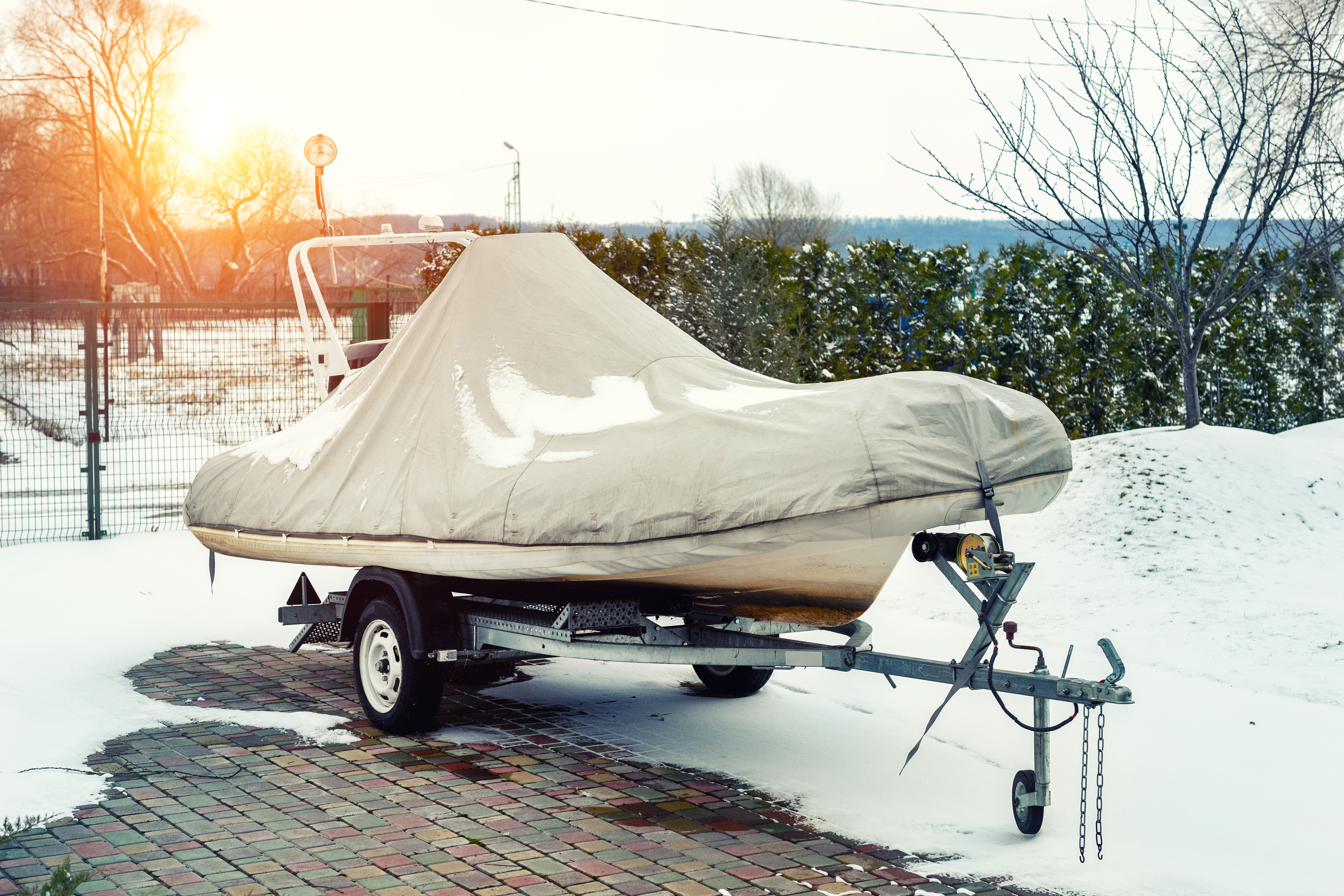
As winter approaches, it’s crucial to prepare your boat for the cold months ahead. Proper winterization not only protects your boat from damage but also ensures it’s ready to hit the water when warmer weather returns. Follow these steps to get your fishing boat ready for winter:
1. Clean Your Boat Thoroughly
- Exterior Cleaning: Wash the hull, deck, and all external surfaces with fresh water and boat soap to remove salt, grime, and algae.
- Interior Cleaning: Clean the interior, including carpets, seats, and storage compartments. Remove any perishable items and personal belongings.
2. Drain and Flush the Engine
- Drain Water: Remove any water from the engine to prevent freezing and cracking. Use the engine’s drain plug and make sure all water is expelled.
- Flush with Antifreeze: Run a non-toxic antifreeze through the engine. This ensures that any remaining water is displaced and the internal components are protected from freezing.
3. Fuel System Preparation
- Fill the Tank: Fill the fuel tank to prevent condensation. Add a fuel stabilizer to keep the fuel fresh and prevent degradation.
- Run the Engine: After adding the stabilizer, run the engine for a few minutes to ensure the treated fuel circulates through the system.
4. Change the Oil and Replace Filters
- Oil Change: Change the engine oil to remove any accumulated acids and moisture. Use the manufacturer-recommended oil.
- Replace Filters: Replace the oil filter and any fuel filters to ensure the engine is ready for use when you take it out of storage.
5. Protect the Cooling System
- Flush with Fresh Water: Flush the cooling system with fresh water to remove any salt, dirt, and debris.
- Add Antifreeze: Add antifreeze to the cooling system to prevent any remaining water from freezing and damaging the system.
6. Disconnect and Store the Battery
- Remove the Battery: Disconnect the battery and remove it from the boat. Clean the terminals and store the battery in a cool, dry place.
- Maintain the Battery: Periodically check and charge the battery throughout the winter to ensure it remains in good condition.
7. Inspect and Maintain the Hull
- Check for Damage: Inspect the hull for any cracks, blisters, or damage. Repair any issues before storing the boat.
- Apply Wax: Apply a coat of wax to the hull to protect it from moisture and dirt during storage.
8. Store Your Boat Properly
- Cover Your Boat: Use a high-quality, breathable cover to protect your boat from dirt, debris, and moisture. Make sure the cover fits snugly and is securely fastened.
- Choose a Storage Location: Store your boat in a dry, covered area if possible. Indoor storage is ideal, but if outdoor storage is your only option, make sure your boat is well-covered and elevated to prevent water accumulation.
9. Check the Trailer
- Inspect Tires and Bearings: Check the trailer tires for wear and proper inflation. Inspect and grease the wheel bearings.
- Lubricate Moving Parts: Lubricate the trailer’s winch, rollers, and other moving parts to prevent rust and ensure smooth operation.
10. Review Safety Equipment
- Inspect Safety Gear: Check all safety equipment, including life jackets, flares, fire extinguishers, and first aid kits. Replace any expired or damaged items.
- Store Safely: Store safety equipment in a dry, easily accessible location.
Conclusion
Winterizing your boat is essential to protect your investment and ensure it’s ready for the next season. By following these steps, you can prevent costly repairs and extend the life of your boat. Taking the time to properly prepare your boat for winter will give you peace of mind and allow you to focus on your winter plans.


Leave a Reply