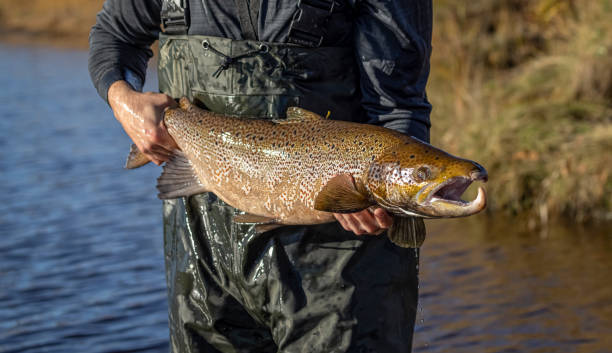
Salmon fishing is an exhilarating experience, offering the thrill of the catch and the reward of a delicious meal. Whether you’re a complete novice or have some fishing experience, this guide will cover the essential gear and techniques you need to start your salmon fishing journey.
Essential Gear for Salmon Fishing
- Rods and Reels:
- Rod: A medium to heavy action rod, around 8 to 10 feet long, is ideal for salmon fishing. This length provides the strength needed to handle larger fish and the flexibility to cast further.
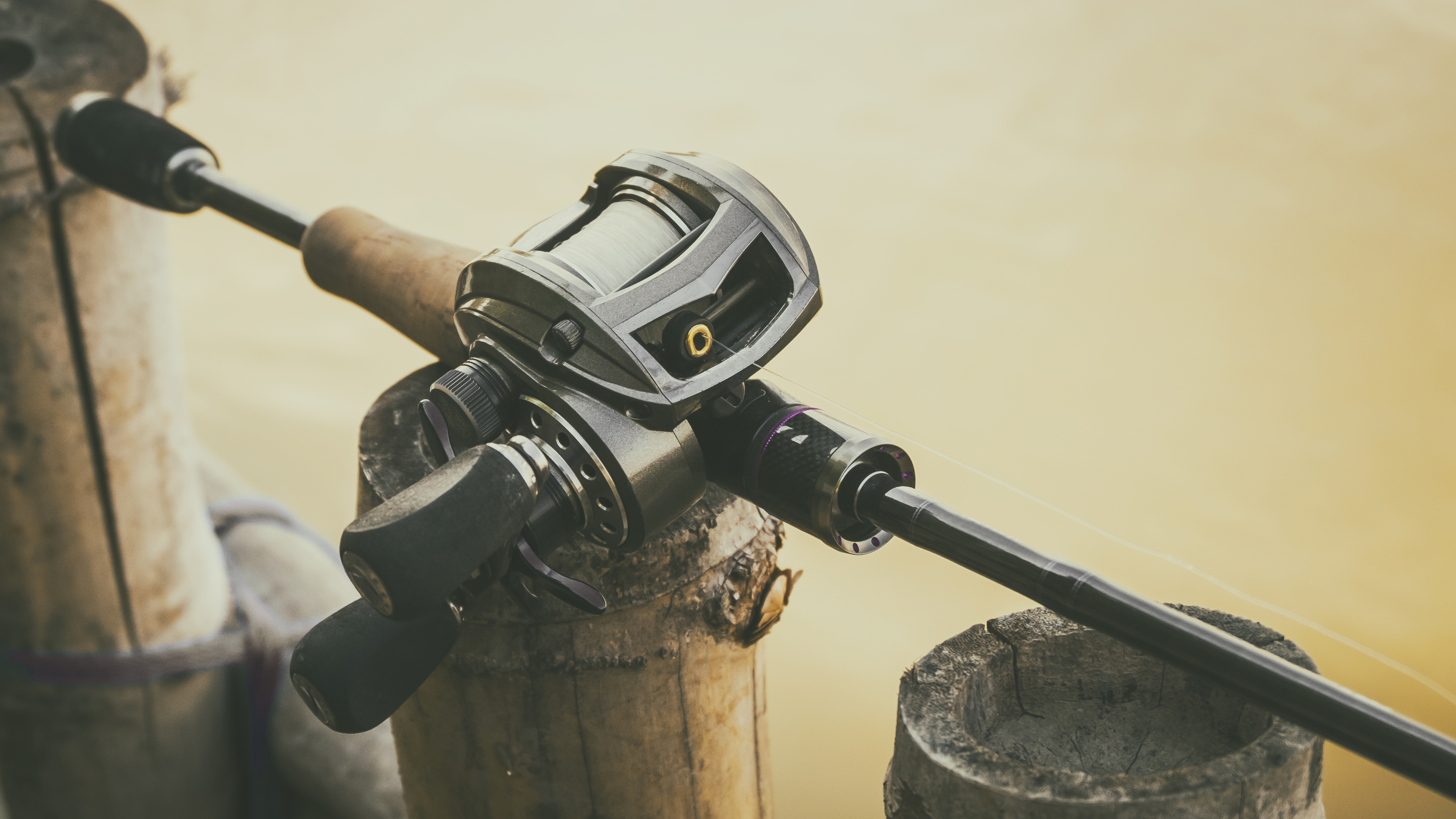
- Reel: A sturdy spinning or baitcasting reel with a smooth drag system is essential. Look for reels that can hold at least 200 yards of 20-30 lb test line.
- Fishing Line:
- Monofilament: Great for beginners due to its versatility and affordability. Opt for a 20-30 lb test line.
- Fluorocarbon: Offers better abrasion resistance and low visibility in the water, making it ideal for clear water conditions.
- Hooks and Lures:
- Hooks: Use size 1/0 to 4/0 hooks, depending on the size of the salmon you’re targeting.
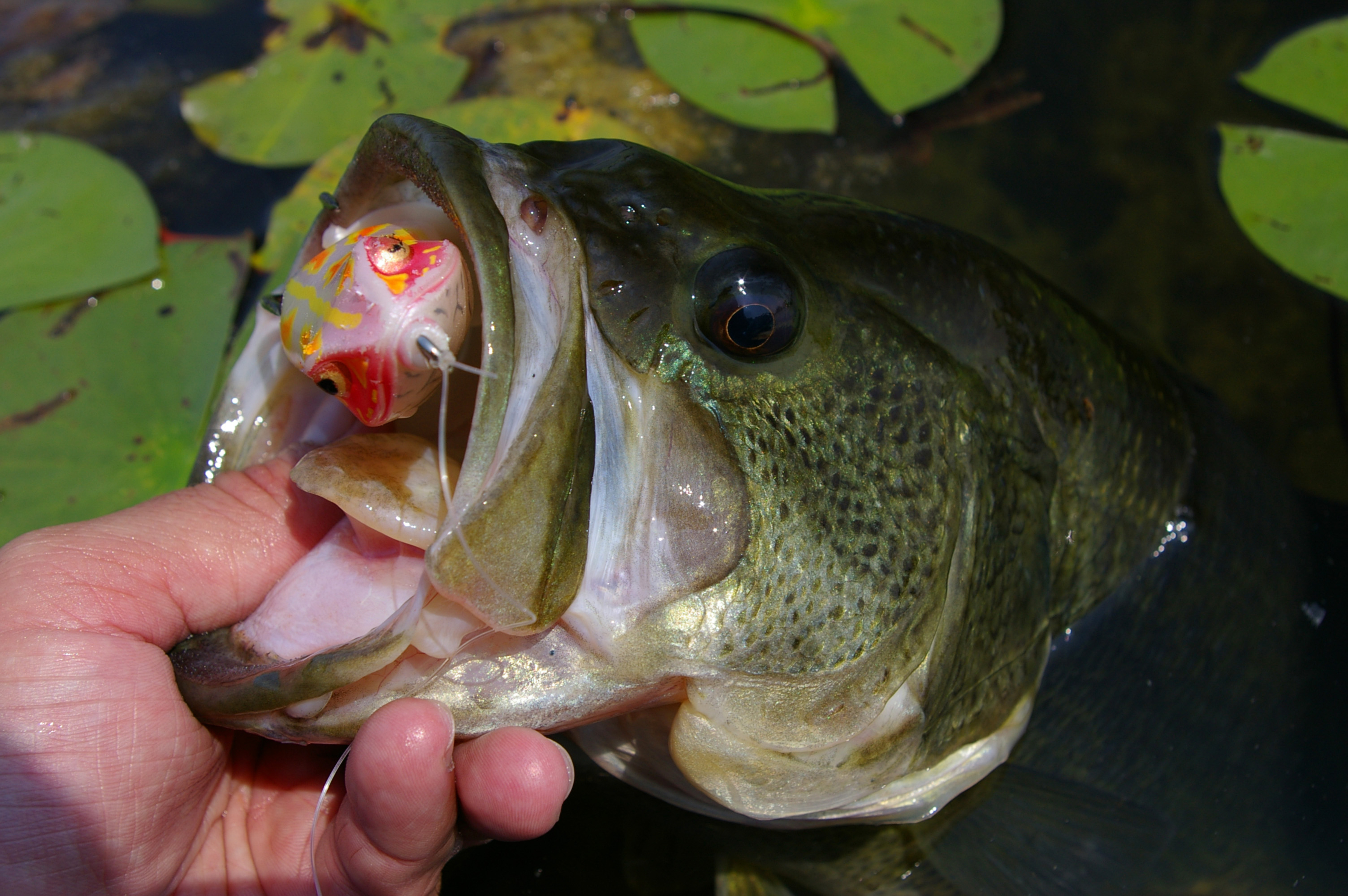
- Lures: Effective lures include spinners, spoons, and plugs. Bright colors like orange, pink, and chartreuse are often successful.
- Bait:
- Natural Bait: Salmon eggs, herring, and shrimp are popular choices. Ensure the bait is fresh for the best results.
- Artificial Bait: Soft plastic baits that mimic natural prey can also be effective.
- Other Gear:
- Waders: Chest waders are essential for river or stream fishing, providing comfort and mobility.
- Tackle Box: Keep your gear organized with a tackle box, including extra lines, hooks, and lures.
- Net: A landing net with a long handle will help you secure your catch.
Techniques for Salmon Fishing
- Casting and Retrieving:
- Spinners and Spoons: Cast your lure upstream and retrieve it with a steady, moderate speed. The goal is to make your lure look like a struggling fish.
- Plugs: These lures work well when trolled behind a boat, mimicking the swimming action of a baitfish.
- Drift Fishing:
- Ideal for river fishing, this technique involves casting your bait upstream and letting it drift naturally with the current. Use a split shot weight to keep the bait near the bottom where salmon are often found.
- Trolling:
- Commonly used in lakes and coastal waters, trolling involves dragging lures or bait behind a moving boat. Vary your speed and depth to find where the salmon are biting.
- Fly Fishing:
- A more advanced technique, fly fishing for salmon requires specialized gear such as a heavier fly rod (8-10 weight) and large, colorful flies. Cast your fly upstream and let it drift naturally, mimicking insects or small fish.
- Fighting the Fish:
- Once hooked, let the salmon run to tire itself out. Keep a steady tension on the line and avoid reeling in too quickly. Use the drag system on your reel to control the fish’s movements.
Tips for Success
- Timing: Salmon are most active during early morning and late evening. Plan your fishing trips around these times for the best chance of success.
- Location: Research local salmon runs and fishing spots. Rivers with annual salmon migrations are prime locations.
- Patience and Persistence: Salmon fishing can require patience. Don’t be discouraged if you don’t catch a fish right away. Keep trying different techniques and locations.
Conclusion
Salmon fishing offers both a challenge and a reward, making it a favorite among anglers. By equipping yourself with the right gear and mastering basic techniques, you’ll be well on your way to a successful and enjoyable fishing experience. If you need more fishing tips, tricks, and gear reviews, visit Seekery.
Leave a Reply